 We’ve all heard of sexism, racism and religious discrimination, but how many of you have ever heard of speciesism? What does it even mean? The spell checker in my blog writer doesn’t know the word, it suggests specialism, which is strangely ironic. Let me explain why I want you to know.
Speciesism is the act of assigning varying rights and considerations to creatures, including ourselves, based on the species to which they belong. It is an old idea, we are told that God put animals on the Earth for the use of man, and god, we have been using, or misusing them ever since.
You will know that apart from being Buddhist, I am also vegan. I refuse to eat any product that is part of, or has come from any other living being. So no meat or fish, no milk, cheese or eggs and nothing that contains any of these either.
A little like being Buddhist in a predominantly Christian country, being vegan is definitely considered to be swimming against the tide. We are all told, right from childhood, that food from animals, lamb, beef, pork, milk, cheese, the list is endless, is good for us. In fact, when I was at junior school, I was the class milk monitor.
Sadly, we weren’t told the whole story, as you may have read in previous posts. What we were never told as children, was how cows become beef, baby sheep become lamb, pigs become pork, or how the chickens who laid our breakfast eggs where kept in disgusting conditions, and still are.
We hear about Animal Rights groups, usually when they have committed some illegal act in their quest to release animals from scientific establishments or disrupting whale or fox hunting. But they are right.
Just because we have learned to use our large brains to develop societies around which we can farm animals, doesn’t make it right. Animals, as members of the family of Earth dwelling beings, have just as much right to be here, and exist in peace, as we do.
Other people can, and have put the case far more eruditely than I possibly can in this post, so please can you take the time to watch the video Earthlings. Be aware, it is not for the faint hearted. It will shock and quite likely disgust you, but if it makes you think about our fellow creatures and maybe change your lifestyle, even a little, as a result, it will be worth your suffering.Don’t Pretend You Don’t Know
 When life is beginning to feel a bit like swimming in treacle, the only key to success is to draw on your own determination.
 Going back over your own mistakes, asking yourself those painful questions and giving honest answers is a difficult, but cathartic experience.
 The sudden and unexpected passing of a friend’s mother, led me to seek out a poem about death, from the Buddhist perspective.
 With ever increasing mindfulness, our own feelings will change as we reflect on the causes for those feelings.
 Nichiren Buddhism is not simply about blind faith in the practice.
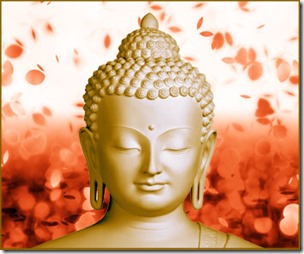 May 6th was celebrated as always, the world over, as the birthday of Shakyamuni Buddha. The Sanskrit word Buddha means “One who is awakened [to the truth].” While the term was widely employed by various schools of the time, it eventually came to be used exclusively in reference to Shakyamuni. At the same time, the word Buddha implies “to bloom.”
 There seems to be a nasty bug going round, both at work and at college, so I was looking around to see how Buddhism concerns itself with illness and healing that illness. I found these wise and thought provoking words …
 Having confidence in yourself, in your faith, and in my case, my practice is often a comfortable place to be. But simply having someone else question that confidence can be a good thing at times, even though it might leave you questioning yourself.
 Given the choice, would you rather have money, or the happiness that love brings? Many people seem to think that money and happiness go hand in hand, but under so many circumstances, money creates a situation where having the one precludes us from having the other.
 The Search For Enlightenment
Recents Comments